

A clear guide to burial costs and planning in Maryland from family-owned Rinaldi Funeral Service in Silver Spring. Questions to ask. Call (301) 585-4050.

Who to call first and what to do when a loved one passes away, with 24/7 guidance from Rinaldi Funeral Service in Silver Spring, MD. Call (301) 585-4050.
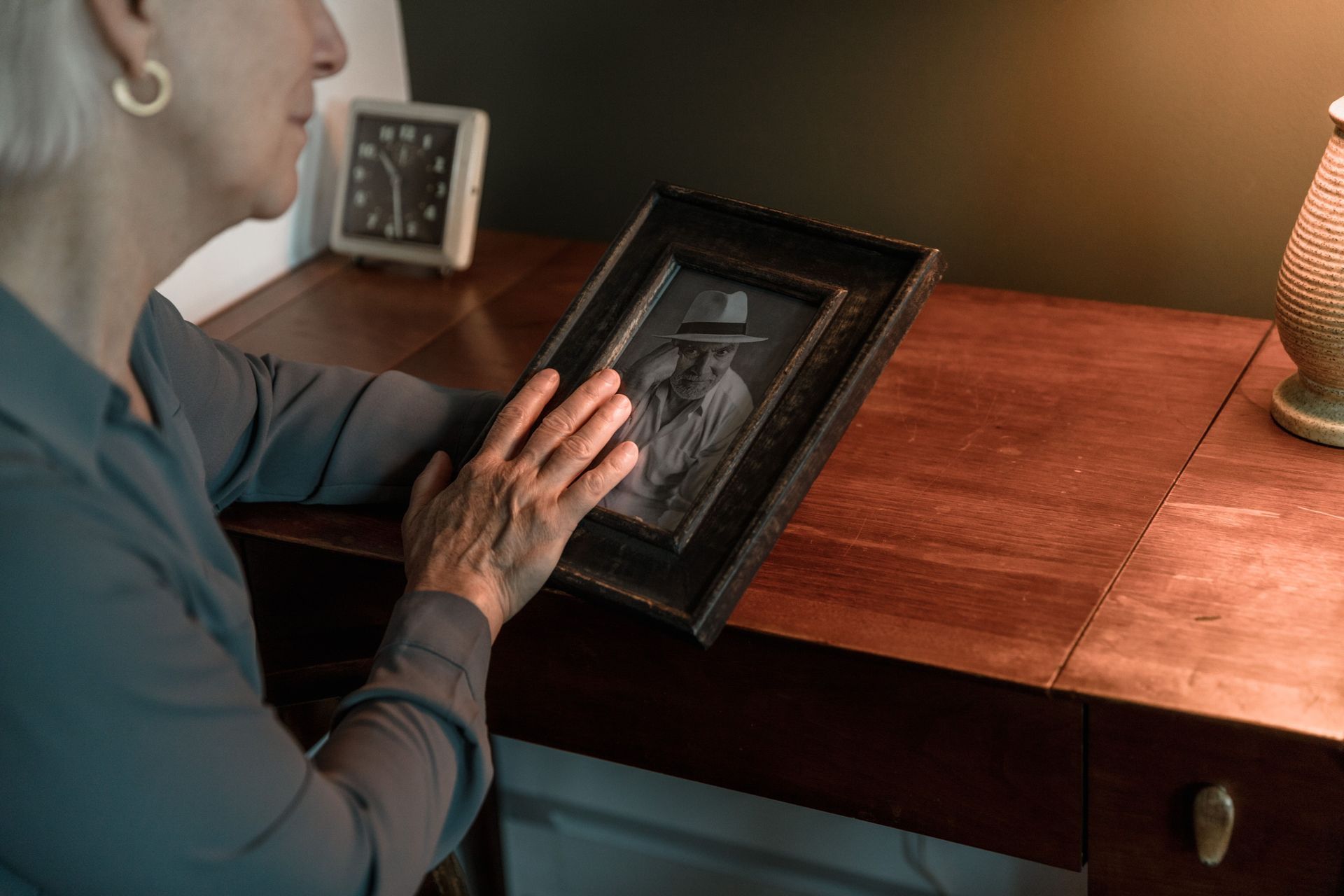
Not sure what to do when a loved one dies? Follow our step-by-step guide covering the first hours, arrangements, and legal matters. Available 24/7 at (301) 585-4050.
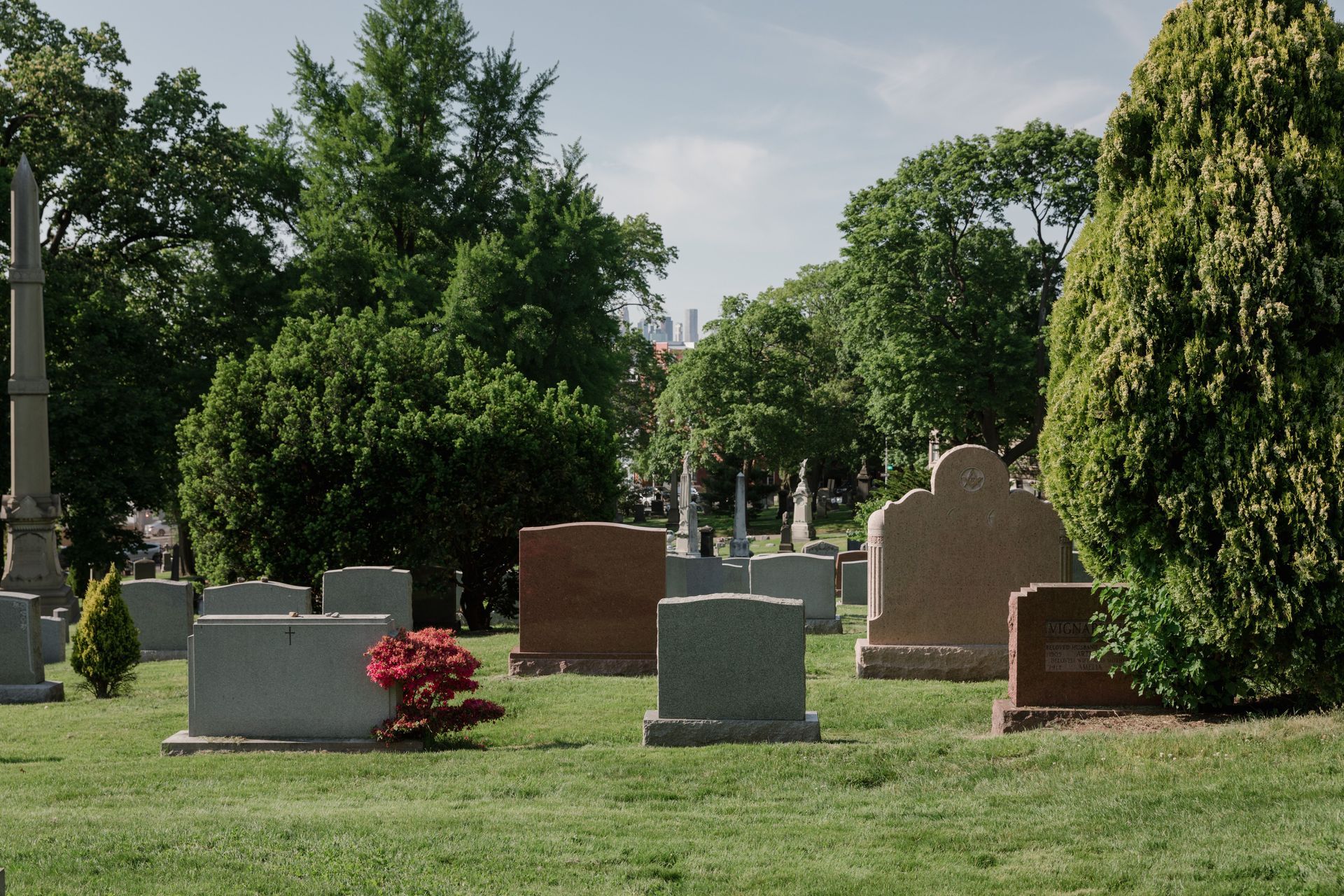
Planning a summer memorial? Learn about special considerations for heat, timing, and weather, plus creative ideas for a meaningful outdoor tribute. Call (301) 585-4050.
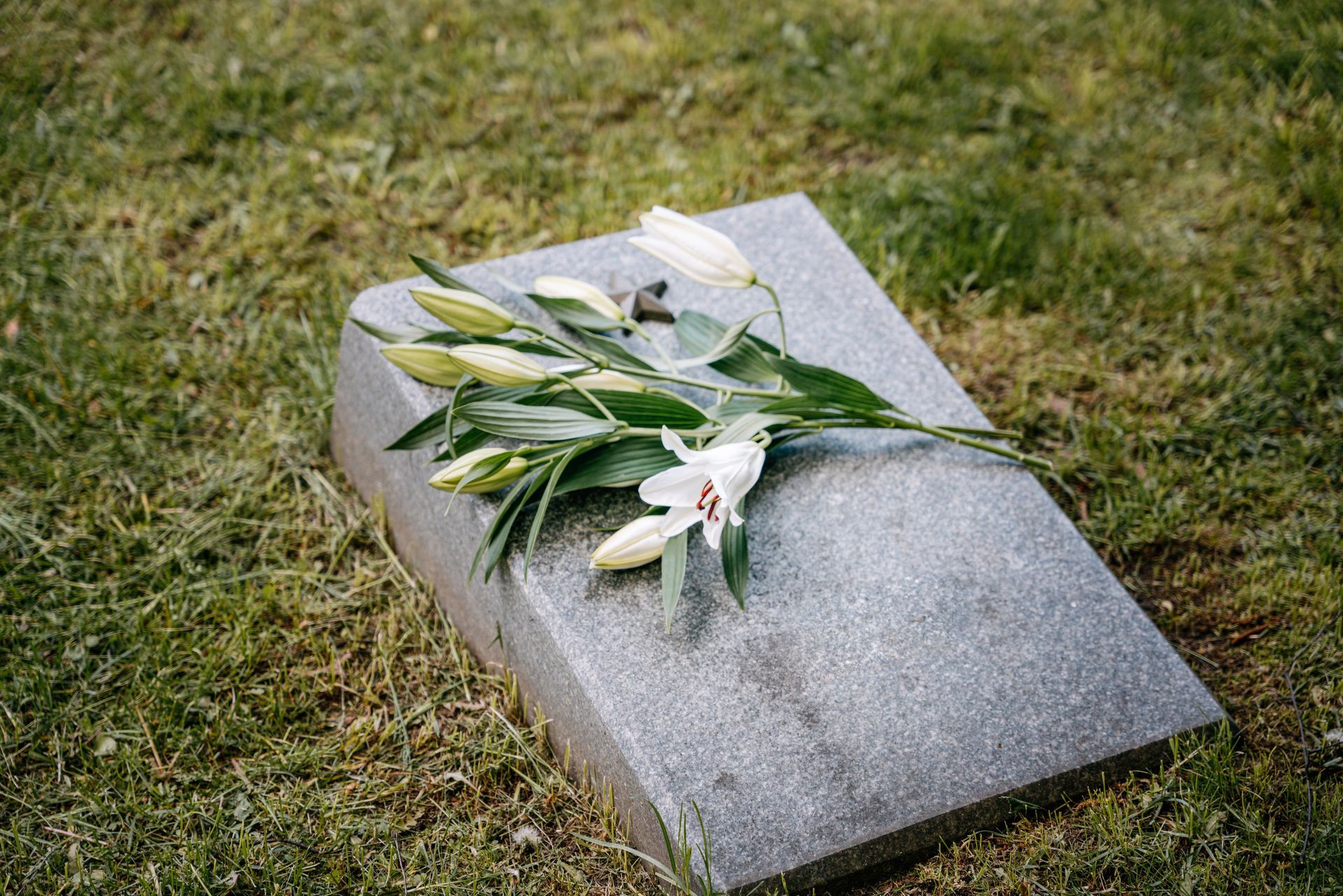
Green burials and eco-friendly funeral options offer meaningful alternatives that honor both the person who has passed and the natural world they cherished.
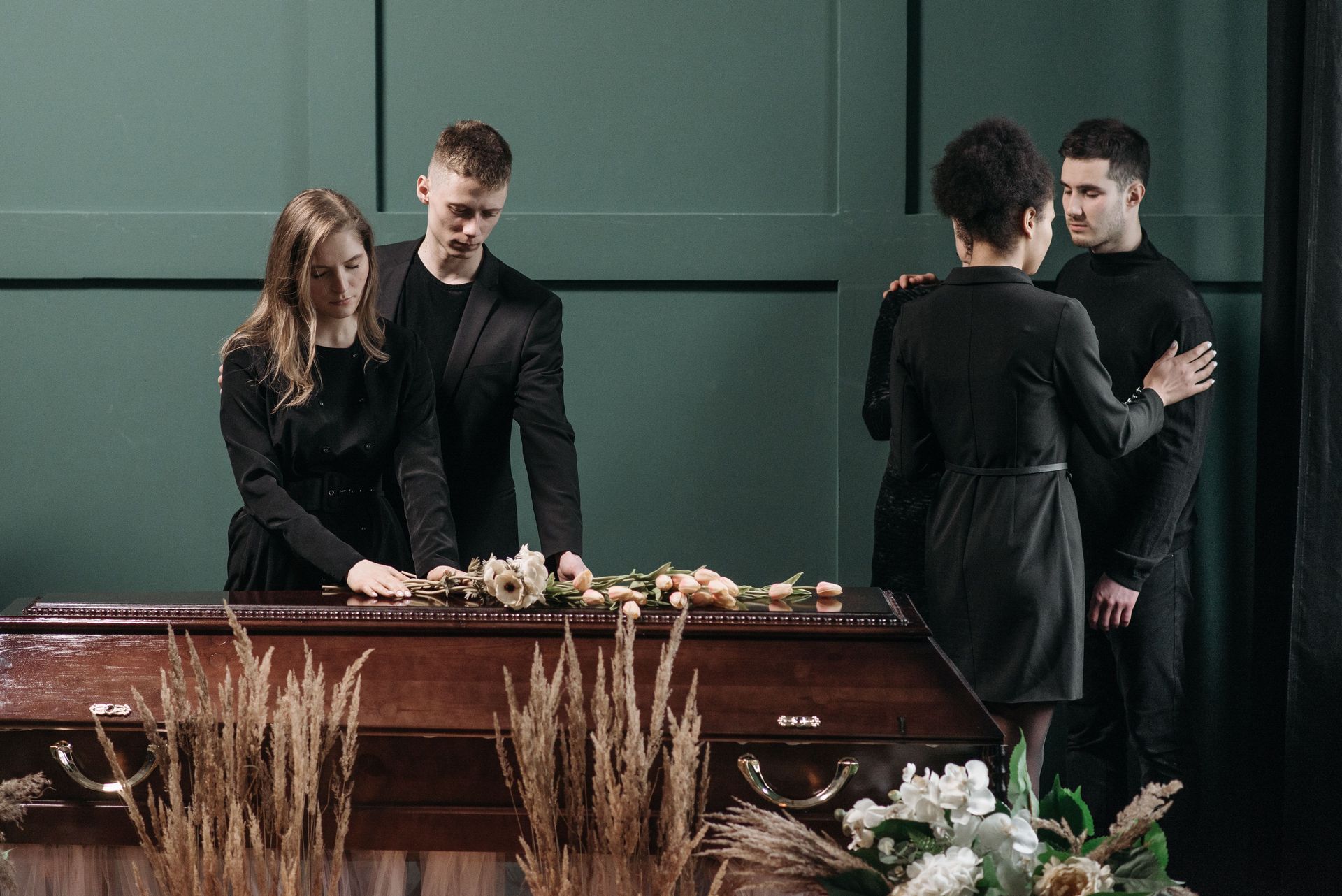
Music has a remarkable ability to express what words alone cannot. It reaches into the depths of human emotion, stirring memories, soothing sorrow, and offering comfort during life's most profound moments.

Grief and Love: Honoring Relationships on Valentine's Day After Loss Our Family Serving Yours Valentine's Day is everywhere — in store windows, on social media, in the cheerful red-and-pink displays lining every aisle of every store you walk into. For most people, it's a day to celebrate love. But for those who have lost a romantic partner, this holiday can feel like anything but a celebration. It can feel heavy, isolating, and painfully quiet. If that resonates with you, know this: what you're feeling makes complete sense. Grief on Valentine's Day after loss is real, and you are not alone in carrying it. At Philip D. Rinaldi Funeral Service, we've had the honor of walking alongside families in Silver Spring and the greater Washington, D.C. area for over 70 years. We've seen firsthand how certain days — holidays, anniversaries, and yes, Valentine's Day — can bring grief rushing back with unexpected force. Our hope with this guide is to offer some comfort, some practical ideas, and a gentle reminder that loving someone doesn't stop just because they're no longer here. Why Valentine's Day Hits Differently When You're Grieving Grief doesn't follow a calendar, but our culture certainly does. Valentine's Day is one of those holidays built entirely around romantic partnership — which means it can feel like a mirror being held up to your loss. Whether you lost your spouse last year or a decade ago, February 14th has a way of reopening wounds. You might find yourself dreading it weeks in advance. You might be caught off guard by a song you used to share, or a restaurant you used to visit. You might feel guilty for feeling sad when everyone around you seems to be celebrating. All of that is grief doing what grief does: reminding you how much you loved someone. Your Love Doesn't End — And Neither Does Your Bond One of the most meaningful shifts in modern grief support is the concept of continuing bonds — the understanding that our connection to someone we've lost doesn't simply disappear when they do. Rather than "moving on" from a relationship, many grief counselors now encourage people to find ways to carry that love forward in a healthy, meaningful way. Think of it less like letting go and more like holding on differently. For widows and widowers, this idea can be quietly powerful. You don't have to stop loving your partner to begin healing. Honoring that relationship, even years later, is not dwelling in the past — it's acknowledging the depth of what you shared. Valentine's Day, with all its focus on love, can actually be a meaningful opportunity to do just that. Meaningful Ways to Honor Your Loved One This Valentine's Day You don't have to spend February 14th pretending everything is fine, and you don't have to spend it in darkness either. Here are some thoughtful ways to honor your relationship and remember the person you loved. Light a Special Candle One of the simplest and most beautiful memorial rituals is candlelight. Choose a candle in their favorite scent, or one that feels meaningful to your relationship. Light it at a specific time — maybe dinner hour, maybe when you would have shared dessert — and let that quiet flame be a moment of recognition. You're not celebrating alone. You're celebrating them. Make a Charitable Donation in Their Name Think about a cause your loved one cared about — a local food bank, a veterans' organization, an animal shelter, a cancer research fund. Making a donation in their honor on Valentine's Day is a beautiful way to extend their impact into the world. It transforms grief into action, and love into legacy. Write Them a Letter Journaling is one of the most well-supported tools in grief work, and Valentine's Day is a natural time to put pen to paper. Write your loved one a letter. Tell them what you've been up to. Tell them what you miss. Tell them what made you laugh this week, and what made you cry. You don't have to share it with anyone. This is just between the two of you. If writing to them feels too difficult, try writing about them instead — a favorite memory, a story only the two of you would have found funny, the way they made their coffee or laughed at their own jokes. Create a Small Memory Ritual Cook their favorite meal. Watch a movie you both loved. Pull out a photo album. Play a song that meant something to your relationship. Small, intentional rituals give shape to grief and give you a place to put your love on a day that otherwise has nowhere for it to go. Plant Something in Their Memory Spring is just around the corner from Valentine's Day, and planting something living — a flower, a shrub, a tree — is a deeply meaningful act of remembrance. It says: your life took root here, and it's still growing. Philip D. Rinaldi Funeral Service is proud to partner with the Arbor Day Foundation to plant memorial trees in honor of loved ones. It's a living tribute that endures long beyond a single day. Spend Time with People Who Knew Them Sometimes the best thing you can do on a hard day is gather with people who loved the same person you did. Reach out to a family member or close friend. Share stories. Look at old photos together. Remembering together is different from remembering alone — it reminds you that your loved one's impact reached beyond just the two of you. Taking Care of Yourself This Valentine's Day Grief is exhausting work, and self-care on hard days isn't selfish — it's necessary. Here are a few gentle reminders as you navigate February 14th. Give yourself permission to feel whatever you feel. There's no right way to grieve on Valentine's Day. If you feel sad, let yourself be sad. If you feel moments of peace or even gratitude, don't feel guilty about that either. Grief doesn't move in a straight line. Be intentional about your day. One of the hardest things about holidays when you're grieving is that they can feel like they're happening to you. Take some of that control back. Decide ahead of time how you want to spend the day — even loosely — so you're not caught off guard by it. Step away from social media if you need to. Valentine's Day online is a lot. It's perfectly okay to log off for the day. Ask for support. If you know Valentine's Day is going to be a particularly hard day, tell someone. Reach out to a friend, a grief counselor, or a support group before the day arrives. You don't have to white-knuckle it alone. You Are Not Alone: Grief Support Resources Navigating widowhood and grief on Valentine's Day is not something you have to figure out by yourself. There are people and organizations specifically dedicated to walking alongside you. National Grief Support Resources: American Foundation for Suicide Prevention (AFSP) Survivor Support — for those grieving a loss to suicide: afsp.org The Compassionate Friends — a nonprofit offering grief support for bereaved families: compassionatefriends.org GriefShare — a network of grief support groups meeting across the country: griefshare.org The National Alliance for Grieving Children — support for adults grieving as well: childrengrieve.org SAMHSA's National Helpline — 1-800-662-4357, free, confidential support 24/7 If you're in the Silver Spring or Washington, D.C. area and looking for local grief support, our team at Philip D. Rinaldi Funeral Service is always here to help point you in the right direction. We believe our care for families doesn't end after the service — it continues for as long as you need us. Valentine's Day after loss is hard. There's no way around that. But there is a way through it — gently, intentionally, and with your love for them still very much intact. The relationship you shared was real. The love was real. And honoring it — today, on February 14th, and every day — is one of the most human things you can do. If you ever need support, guidance, or simply someone to talk to, the Rinaldi family is here. We've been serving families in Silver Spring and the D.C. metropolitan area since 1953, and our commitment to you doesn't stop at the funeral home door.

Understanding Funeral Costs in Maryland: A Transparent Pricing Guide Our Family Serving Yours Losing someone you love is one of the hardest experiences life brings. And in the middle of that grief, you suddenly have to make financial decisions — quickly, and often without any prior knowledge of what things actually cost. That's a difficult position to be in, and it's one we understand deeply at PHILIP D. RINALDI FUNERAL SERVICE, P.A.. For over 70 years, our family has served families across Silver Spring, the Washington, D.C. Metropolitan Area, and beyond. One of the values we hold closest is honesty — in our care, in our service, and yes, in our pricing. So if you've been searching for a clear, straightforward breakdown of funeral costs in Maryland, you've come to the right place. This guide covers everything you need to know: what drives funeral costs, how the law protects you, your options for affordable arrangements, and how to plan ahead so your family isn't left guessing. Why Is It So Hard to Find Funeral Pricing? Here's something many people don't realize: funeral homes are actually required by law to provide pricing information upfront. Yet for many families, getting a clear answer still feels like pulling teeth. The reason it can feel that way is partly cultural — discussing death and money in the same conversation has long been considered uncomfortable. But that discomfort doesn't serve families well, especially when they're already navigating loss. We believe you deserve transparency. Knowing what things cost before you're in the middle of arrangements gives you the ability to make informed, dignified choices — not rushed ones. Your Rights Under the FTC Funeral Rule The FTC Funeral Rule is a federal regulation that has protected consumers since 1984. It requires all funeral homes across the country — including those here in Maryland — to do the following: Give you a General Price List (GPL). Any funeral home must provide a written price list of all their goods and services when you visit in person, or send it to you if you request it over the phone. You don't need to justify why you're asking for it — it's your right. Itemize your choices. You cannot be forced to purchase a package if you only want certain services. You have the right to choose and pay for only what you need. Disclose third-party charges. Items like death certificates, cemetery fees, and permits are often paid to outside parties. Funeral homes must tell you upfront if they add a handling fee on top of those costs. Not misrepresent legal requirements. Some funeral homes — not all, but some — may suggest that certain services or products are legally required when they aren't. The FTC Funeral Rule makes that practice illegal. Understanding this rule puts you in a much stronger position when you're comparing funeral costs in Maryland or having an initial conversation with any funeral provider. Don't hesitate to ask for the price list. It's yours to have. What's Actually Included in Funeral Costs? When people talk about the "cost of a funeral," they're usually referring to several different layers of expenses that add up together. Here's how a typical funeral expense breakdown looks: 1. Basic Services Fee This is the non-declinable base fee that every funeral home charges to cover the fundamental work involved in any service: filing death certificates, coordinating with third parties, and the administrative and professional oversight that comes with every arrangement. This fee is present regardless of the type of service you choose. 2. Transportation and Transfer This covers the cost of bringing your loved one into the funeral home's care, typically from a hospital, hospice, or private residence. If the death occurs at a distance — say, while traveling — transportation costs can increase significantly depending on the situation. 3. Preparation of the Remains Depending on the type of service, this may include embalming, refrigeration, or preparation for cremation . Embalming is generally not required by Maryland law unless the body is being transported across state lines or there's a delay in the service. 4. Use of Facilities This includes use of the funeral home's chapel or viewing rooms for visitation, memorial services, or the funeral ceremony itself. These fees vary based on the length and type of service. 5. Casket or Urn This is often one of the largest variable costs in a funeral. Caskets range widely in price depending on material, construction, and style. The same goes for urns. Importantly, you have the right to purchase a casket from a third party — a funeral home cannot legally refuse to use it or charge you a fee to do so. 6. Cemetery and Burial Costs If you're choosing a burial, cemetery expenses are separate from funeral home fees and are paid directly to the cemetery. These include the cost of the plot, opening and closing fees, and any monument or marker. In Maryland, burial costs vary widely depending on the cemetery and location. 7. Death Certificates and Permits You'll typically need multiple certified copies of the death certificate — for settling the estate, notifying Social Security, transferring accounts, and more. Each copy usually costs between $10–$20 in Maryland. A burial permit is also required and is typically obtained by the funeral home on your behalf. 8. Flowers, Obituaries, and Other Personal Touches These add-on costs are entirely optional, but they matter to many families. Things like floral arrangements, printed programs, online obituaries, and memorial keepsakes all fall into this category. Average Funeral Costs in Maryland and the DC Metro Area So what does it actually cost? While prices vary by funeral home and the specific services chosen, here's a general range to give you a realistic picture. Traditional burial service: A full traditional funeral with burial in Maryland typically ranges from $7,000 to $12,000 or more , depending on the casket selected, cemetery fees, and other personalized elements. Cremation: Direct cremation — the simplest option, without a viewing or formal service — is often the most affordable choice, generally ranging from $1,500 to $3,500 in the Maryland and Washington, D.C. area. A cremation with a memorial service added will cost more, but it remains a meaningful and dignified option for many families. Average funeral price in DC Metro: The DC Metro area, including Montgomery County and Silver Spring, tends to reflect slightly higher costs than rural Maryland due to the cost of living and overhead in the region. That said, working with a family-owned, local funeral home often means more personal service at a fairer price than larger corporate-owned providers. These are general estimates. The best way to get an accurate picture for your specific situation is to request a General Price List or speak directly with a funeral director. Cremation vs. Burial: Which Is More Affordable? This is one of the most common questions families ask, and the answer is almost always the same: cremation tends to be less expensive than traditional burial , primarily because it eliminates the costs associated with a casket, cemetery plot, and burial fees. That said, choosing cremation doesn't mean forgoing a meaningful goodbye. Many families opt for a full memorial or celebration of life service after cremation, which can be just as personal and comforting as a traditional funeral — often at a lower overall cost. Here's a quick cost comparison to keep in mind: Direct cremation covers the basic transfer, cremation process, and return of the cremated remains. It's the most affordable option and works well for families who prefer a private, informal memorial at a later date. Cremation with a memorial service adds the use of facilities, printed materials, and any additional personal touches. This is a popular middle-ground choice for families who want to honor their loved one with family and friends present. Traditional burial includes a full visitation, funeral ceremony, graveside service, casket, and cemetery interment. It's the most comprehensive option and tends to carry the highest overall cost, but for many families, it aligns with their cultural and religious traditions and is worth every penny. There's no right or wrong answer here. The right choice is the one that honors your loved one, reflects your family's values, and fits within your budget. Affordable Funeral Options in Silver Spring, MD At PHILIP D. RINALDI FUNERAL SERVICE, P.A., we've always believed that cost should never be a barrier to a dignified farewell. Our team works with families across a wide range of budgets, and we'll always be upfront with you about your options. Here are a few ways to keep costs manageable without sacrificing quality or dignity: Choose direct cremation or a simplified service. These options provide everything that's essential while reducing costs in areas like the casket, viewing, and facility use. Ask about itemized pricing. You don't have to buy a package. Choosing only the services your family truly needs can make a meaningful difference in the total cost. Use your own casket or urn. Under the FTC Funeral Rule, you're allowed to provide your own. This can save you money, especially if you shop for an urn in advance. Limit death certificate copies to what you need. Order only what you know you'll need right away — you can always order more from the Maryland Department of Health later. Pre-plan. This is, without a doubt, one of the most effective ways to manage funeral costs — and we'll talk more about that in a moment. Payment Plans and Financial Assistance Funeral costs are rarely something families budget for in advance. When the time comes, many people face these expenses without much financial preparation, which can add stress to an already painful experience. At PHILIP D. RINALDI FUNERAL SERVICE, P.A., we understand that reality. We encourage families to speak with our staff openly about payment concerns — there is no judgment here, only a genuine desire to help. Some options worth exploring include: Payment plans. Many funeral homes, including ours, offer flexible payment arrangements. It's always worth asking directly about what's available. Life insurance assignment. If your loved one had a life insurance policy, it may be possible to assign the benefit directly to the funeral home to cover the costs. Social Security lump-sum death benefit. A one-time payment of $255 may be available to a surviving spouse or eligible child. While this doesn't cover much of the overall cost, it's a benefit worth claiming. You can learn more about this on our Social Security Benefits resource page. State and county assistance. Maryland does offer limited assistance programs for families who qualify based on financial need. Your funeral director can help point you in the right direction. Veteran Benefits: A Tribute You've Earned If your loved one served in the United States military, they may be entitled to funeral and burial benefits that can significantly offset the cost of final arrangements — and provide a meaningful tribute to their service. Veteran benefits available through the Department of Veterans Affairs (VA) may include: Burial in a national cemetery at no cost (including opening and closing fees and a grave liner) A government-provided headstone or marker A burial flag presented to the next of kin A Presidential Memorial Certificate A burial allowance for eligible veterans These benefits are a well-deserved honor, and navigating the application process doesn't have to be complicated. Our team at PHILIP D. RINALDI FUNERAL SERVICE, P.A. is experienced in coordinating VA benefits and can walk you through the entire process. You can also visit our Veterans Benefits page to learn more. The Smartest Way to Manage Funeral Costs: Pre-Planning We know it's not easy to think about. But if there's one thing we've seen in over 70 years of serving families, it's this: the families who plan ahead carry a lighter burden when the time comes. Pre-planning your funeral — or encouraging your loved one to do so — offers benefits that go well beyond the financial. It locks in today's prices. Funeral costs, like most things, tend to increase over time. Pre-planning allows you to arrange services at current prices, which can result in significant savings. It removes the guesswork. When families are grieving, having to make dozens of decisions quickly can feel overwhelming. A pre-planned arrangement means your wishes are already documented, and your family doesn't have to guess. It reduces emotional spending. Without a plan in place, families sometimes overspend out of guilt or a desire to "do right" by the person they lost. A clear plan removes that pressure. It gives you peace of mind. Knowing that things are taken care of is a gift — both to yourself and to the people who love you. Our team is here to walk you through the pre-planning process at whatever pace feels right. There's no pressure and no obligation. If you're curious about where to start, visit our Why Plan Ahead? page for more information. Common Funeral Pricing Questions, Answered Can I compare prices between funeral homes? Yes, and you should feel completely comfortable doing so. Every funeral home is required to provide a price list upon request, by phone or in person. Comparing options is smart consumer behavior, and reputable funeral homes will never discourage it. Is embalming required by law in Maryland? No. Maryland does not require embalming except in specific circumstances, such as interstate transport of remains. You have the right to decline embalming. Can a funeral home charge me a fee for using a casket I purchased elsewhere? No. Under the FTC Funeral Rule, a funeral home cannot refuse to use your casket or charge you an extra "handling fee" for doing so. What if I can't afford a funeral at all? If you have no financial means, the county or state may make arrangements through its indigent burial program. Your funeral director can help connect you with the appropriate resources. Are online obituaries included in funeral costs? This varies by funeral home . At PHILIP D. RINALDI FUNERAL SERVICE, P.A., we offer digital obituaries where family and friends can share photos and memories — a lasting tribute that goes beyond the service itself. A Final Word From Our Family to Yours Talking about funeral costs doesn't have to feel uncomfortable. In fact, we think the most compassionate thing we can do is make sure you have the information you need — before you need it. At PHILIP D. RINALDI FUNERAL SERVICE, P.A ., our family has been serving Silver Spring, Maryland and the greater Washington, D.C. Metro area since 1953. We're not a corporation. We're a family — and when you come to us, you'll be treated like one, too. Whether you're planning ahead, comparing options, or navigating an immediate need, we're here for you around the clock. Give us a call at (301) 585-4050 or visit us at 9241 Columbia Blvd., Silver Spring, MD 20910 . We'll walk through every question, every concern, and every detail with you — honestly, caringly, and at your pace. Because that's what honesty, care, and dedication looks like. It always has been.
Every year on the last Monday of May, Americans across the country pause to remember the brave men and women who gave their lives in service to our nation. Memorial Day is far more than the unofficial start of summer or a long weekend filled with cookouts. It is a sacred day of remembrance, reflection, and gratitude. At Philip D. Rinaldi Funeral Service, we believe understanding and participating in Memorial Day traditions helps strengthen our connection to those who sacrificed everything and to the families who continue to carry their memory. The Origins of Memorial Day Memorial Day traces its roots to the years following the Civil War, when communities across the country began holding springtime tributes to fallen soldiers. Originally known as Decoration Day, the observance involved decorating the graves of fallen service members with flowers, flags, and wreaths. In 1971, Memorial Day was officially designated a federal holiday, expanding its purpose to honor all American military personnel who died in service. Today, the day stands as one of the most solemn and meaningful observances on the American calendar. The National Moment of Remembrance In 2000, Congress established the National Moment of Remembrance, which calls on all Americans to pause at 3:00 PM local time on Memorial Day for one minute of silence. This simple act unites the country in collective tribute, regardless of where individuals find themselves on this important day. Families enjoying gatherings, travelers on the road, and workers wrapping up their afternoons can all participate in this meaningful moment that connects us to something larger than ourselves. Visiting Cemeteries and Placing Flags One of the most enduring Memorial Day traditions involves visiting cemeteries to honor fallen service members. Families place small American flags at grave sites, lay flowers, and spend quiet moments in reflection. Volunteers across Maryland help ensure that veterans' graves are properly decorated, often through organized efforts at national cemeteries and local burial grounds. The tradition of placing flowers carries deep symbolic meaning. Many families choose to send flowers to honor relatives who served, creating beautiful displays that pay tribute to lives given in defense of our freedoms. Whether placed at a gravesite, brought to a memorial service, or shared with a grieving military family, floral tributes serve as a tangible expression of remembrance and respect. Attending Memorial Day Ceremonies Communities throughout the Washington D.C. metropolitan area host Memorial Day ceremonies that bring residents together in shared tribute. The most prominent ceremony takes place at Arlington National Cemetery, where the President or Vice President typically lays a wreath at the Tomb of the Unknown Soldier. Locally, parades, town hall observances, and cemetery services offer meaningful opportunities for participation. Attending these ceremonies with children and grandchildren passes the tradition of remembrance to younger generations. When children witness the playing of Taps, see veterans saluting comrades they have lost, and hear stories of courage and sacrifice, they begin to understand the true weight of military service and the cost of the freedoms they enjoy. Planting Living Tributes Living memorials offer a beautiful way to honor fallen service members in ways that endure across generations. Trees planted in memory of veterans grow taller each year, providing shade, beauty, and lasting symbolism of lives that continue to matter. Families who plant memorial trees create something living that connects future generations to the legacy of those who served. These living tributes can be planted at home, in community spaces, or in dedicated memorial groves, each one standing as a quiet but powerful reminder. Sharing Stories and Preserving Memories Memorial Day provides an ideal opportunity to share family stories about veterans and fallen service members. Looking through old photographs, reading letters from wartime, watching documentaries, or simply gathering as a family to talk about loved ones who served keeps their memory alive. Children and grandchildren benefit enormously from understanding their family's military heritage, including the experiences, sacrifices, and values that shaped earlier generations. Some families create memory books, record interviews with surviving veterans, or compile digital archives that preserve these stories for future generations. These projects often become treasured family heirlooms that grow more valuable with each passing year. Supporting Living Veterans and Military Families While Memorial Day specifically honors those who died in service, the observance also draws attention to the ongoing needs of military families and veterans. Reaching out to families who have lost loved ones in service, supporting veteran-focused charities, and acknowledging the sacrifices of those still living are all meaningful ways to honor the spirit of the day. Families navigating the loss of a veteran also benefit from understanding the resources available to them. Comprehensive information about veterans benefits helps surviving family members access burial allowances, memorial honors, and other forms of support that recognize their loved one's service. Teaching the Next Generation Perhaps the most important Memorial Day tradition involves teaching children what the day truly means. Beyond barbecues and time off from school, Memorial Day represents a profound civic responsibility to remember those who never came home. Parents and grandparents can plan age-appropriate activities such as visiting cemeteries together, attending local ceremonies, reading books about veterans, or creating crafts that honor service members. These shared experiences plant seeds of gratitude and patriotism that grow throughout a lifetime. Reflecting on the Meaning of Service Memorial Day invites all of us to reflect on what service, sacrifice, and citizenship truly mean. The freedoms we enjoy every day were secured by countless individuals who placed duty above self. Taking time to consider this reality, even briefly, transforms the holiday from a mere day off into a moment of profound civic and personal significance. Honoring Service with Dignity For more than seventy years, our family at Philip D. Rinaldi Funeral Service has been privileged to serve Maryland's military families with the dignity and respect their loved ones earned through service. We understand the unique meaning that Memorial Day holds for families who have lost service members and the importance of ensuring every veteran receives a tribute worthy of their sacrifice. To learn more about how we can support your family in honoring a veteran's legacy, speak with our caring team today and let us walk alongside you with the same compassion and reverence we have offered families since 1953.

When a family experiences the death of a loved one, parents often face a heart-wrenching dual challenge. They must navigate their own grief while also helping their children process loss in healthy, age-appropriate ways. At Philip D. Rinaldi Funeral Service, we have walked alongside countless Silver Spring families during these tender moments, and we understand how deeply parents want to do right by their children during life's most difficult experiences. This guide offers practical wisdom for supporting young hearts through grief. Understanding How Children Grieve Differently Children do not grieve the same way adults do, and recognizing this distinction is essential. While adults often experience grief in waves of sustained sadness, children typically move in and out of grief throughout the day. A child might cry one moment and ask to play the next, leaving parents wondering if the loss truly registered. This rhythm is completely normal. Children naturally take grief in manageable doses, returning to it when their minds and hearts can handle more. Younger children may also struggle with the permanence of death. A four-year-old might ask repeatedly when Grandma is coming back, not out of disrespect but because their developing minds genuinely cannot grasp that death is final. Patience and consistent, honest answers help children gradually build this understanding. Age-Appropriate Conversations About Death How you talk to a child about death depends heavily on their developmental stage. With preschool-aged children, simple, concrete language works best. Avoid euphemisms like "passed away," "gone to sleep," or "lost" because these phrases can confuse young children and create unintended fears. Instead, gently explain that the person's body stopped working and they will not be coming back. Elementary-aged children can handle more detailed conversations. They often have specific questions about what happened, what death feels like, and what comes next. Answer their questions honestly while reassuring them that they are safe and loved. Teenagers, while capable of understanding death intellectually, often need space to process complicated emotions and may benefit from one-on-one conversations rather than family discussions. Including Children in Funeral Services Many parents wonder whether children should attend funeral services. While each family must make this decision based on their child's temperament, age, and the specific circumstances, including children in meaningful rituals often helps them process loss in healthy ways. Children who are excluded sometimes imagine scenarios more frightening than reality. Preparing children for what they will see, hear, and experience makes a tremendous difference. Explain what a funeral home looks like, who will be there, what people typically do during services, and that adults may be crying. Give children permission to feel however they feel and let them know they can leave the room if needed. Some families designate a trusted adult to stay with younger children throughout the service, providing reassurance and answering questions as they arise. Creating Meaningful Roles for Children When children participate in memorial services, they often feel a sense of purpose that helps with grief. Children can draw pictures to place near photographs, choose flowers for the service, write letters to their loved one, or share a special memory if they feel comfortable speaking. Even very young children can place a flower on a casket or light a candle with a parent's help. Many families find that helping children plant memorial trees creates a lasting ritual that grows alongside their grief. Returning to the tree on birthdays, anniversaries, and meaningful days provides a tangible way to maintain connection with the loved one as the child grows. Similarly, allowing children to help choose or send flowers gives them an active way to express love and care during a time when they may feel powerless. Recognizing Signs Children Need Extra Support While most children navigate grief with family support, some show signs they need additional help. Watch for prolonged changes in behavior such as significant sleep disturbances, regression to earlier developmental stages, withdrawal from friends and activities, persistent physical complaints, difficulty in school, or expressions of guilt that they somehow caused the death. Professional support can be incredibly valuable during these times. Local resources for grief support include counselors specializing in childhood bereavement, peer support groups for grieving children, and family therapy services. Seeking help is not a sign of failure but rather a wise step in ensuring children develop healthy coping skills that will serve them throughout life. Maintaining Routines and Stability During the chaos that follows a death, children find comfort in predictable routines. Continuing regular meal times, bedtimes, school attendance, and family activities provides stability when so much else feels uncertain. This does not mean ignoring grief or rushing children through their emotions. It simply means creating a steady framework within which grief can be processed safely. Be prepared for grief to surface in unexpected ways. A child might suddenly cry while doing homework, become clingy at bedtime, or ask probing questions during dinner. These moments are opportunities to listen, validate feelings, and offer reassurance that grief is a normal response to loss. Helping Children Remember Memory-keeping projects help children maintain connection with loved ones who have died. Creating a memory box filled with photographs, small belongings, and meaningful items gives children a tangible place to revisit their grief. Some families create memory quilts from clothing, photo books that tell the story of the loved one's life, or audio recordings of family members sharing favorite stories. Encourage children to talk about the person who died using their name. Some families worry that mentioning the deceased will upset children, but the opposite is usually true. Children fear being forgotten more than they fear sadness, and keeping their loved one's memory alive in everyday conversation reassures them that love continues even after death. Modeling Healthy Grief Children watch adults closely to learn how to handle difficult emotions. When parents allow themselves to cry, talk about their feelings, and seek support from others, children learn that grief is a normal human experience that can be navigated with honesty and resilience. This does not mean exposing children to overwhelming adult grief, but rather demonstrating that sadness is acceptable and that connection with others helps. Take care of yourself as a parent during this time. Your own grief deserves attention, and you cannot pour from an empty cup. Whether through friends, faith communities, professional counseling, or support groups, finding outlets for your own grief makes you better equipped to support your children. Walking This Journey Together Grief is not something children outgrow. It evolves as they mature and encounter new milestones the loved one cannot share. The toddler who lost a grandmother will grieve her absence differently as a teenager, college graduate, and eventually as a parent themselves. Building a foundation of healthy grief processing in childhood equips them for these future moments of remembrance and longing. Compassionate Support for Every Family Member At Philip D. Rinaldi Funeral Service , our family has supported Silver Spring families through every kind of loss for more than seventy years, and we deeply understand the unique needs of grieving children. Our team takes care to create environments where families of all ages can mourn together, and we offer resources and guidance specifically designed to help parents navigate these tender conversations with their children. To learn more about how we can support your family during a time of loss, reach out to our compassionate team and let us walk this difficult path alongside you with the care and understanding your family deserves.
